GSTAAD AND PAYS-D’ENHAUT: A GUIDE TO AUTHENTIC SHOPS AND EXPERIENCES IN THE SWISS ALPS
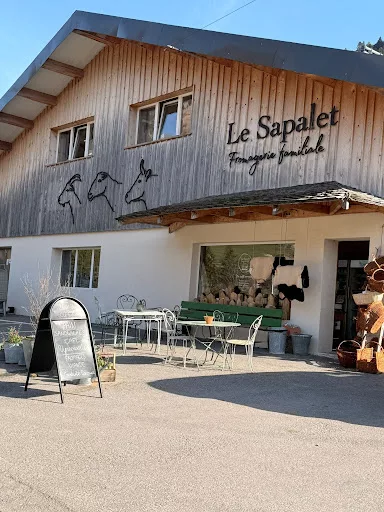
This article was inspired by our discovery of Le Sapalet, the extraordinary fromagerie in Rossinière. But as we explored deeper into the Pays-d’Enhaut region, we realised the magic extends far beyond one shop. Here are the places, people, and traditions that make this corner of the Swiss Alps feel genuinely lived-in, rather than simply visited
LE SAPALET, ROSSINIÈRE: THE HEART OF ARTISANAL DAIRY
Nestled in the Swiss mountains of Rossinière, Le Sapalet is more than a fromagerie. It is a living testament to the art of Swiss dairy, where every wheel of cheese, every pot of yogurt, and every slice of butter carries the story of the land, the family, and the generations of care that shaped it.
The Henchoz family, pioneers in Swiss dairy, have transformed their farm into a hub of artisanal excellence. From cows to sheep, their journey began with Etivaz cheese and evolved in the 1990s toward the rich, velvety world of sheep’s milk. Today, over a thousand sheep graze the pastures surrounding Rossinière, creating a rhythm that mirrors the quiet, disciplined beauty of the mountains themselves.
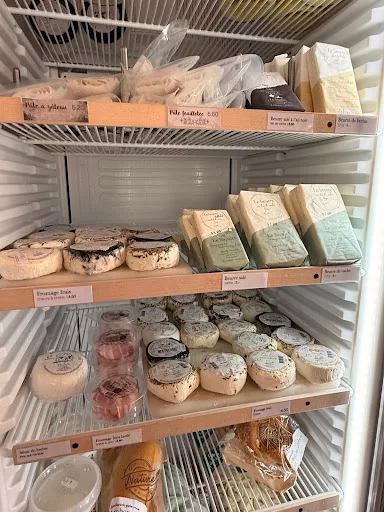
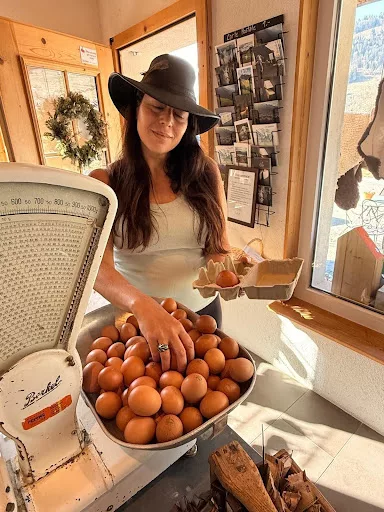
Walking into Le Sapalet, you step into a gallery of flavour. Every cheese is thoughtfully displayed, from the robust blue and tomme du Pays-d’Enhaut to delicate fresh cheeses that practically melt on the tongue. Goat milk products, like the delicate Pétolet, stand alongside classic cow’s milk delights, showcasing a range as diverse as the landscape itself.
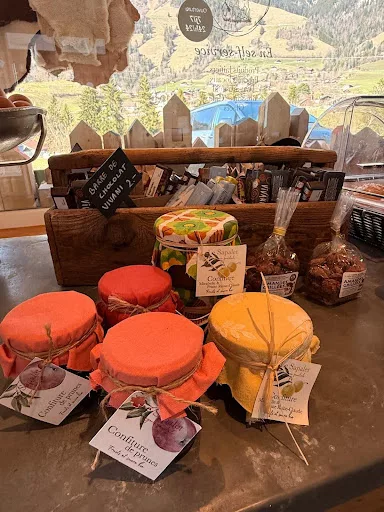
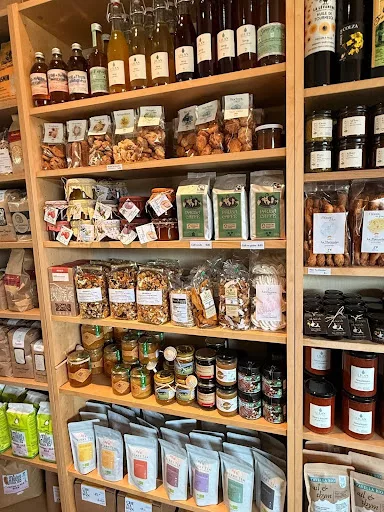
What truly sets Le Sapalet apart is the philosophy. The Henchoz family is involved at every stage, from pasture to plate. There is a reverence for craft, a respect for nature, and an understanding that quality cannot be rushed. It’s an ethos that resonates with the very spirit of Gstaad: understated luxury, a deep connection to place, and the kind of authenticity that lingers long after a visit.
MOLKEREI GSTAAD: 3,000 WHEELS OF SHARED LEGACY
While Le Sapalet is intimate and family-run, Molkerei Gstaad operates on a different scale. Housed in an underground grotto just outside the village, it holds up to 3,000 wheels of cheese from 68 local cooperative farmers. But the scale conceals something more important than volume: it is a living model of how a community stewards tradition together.
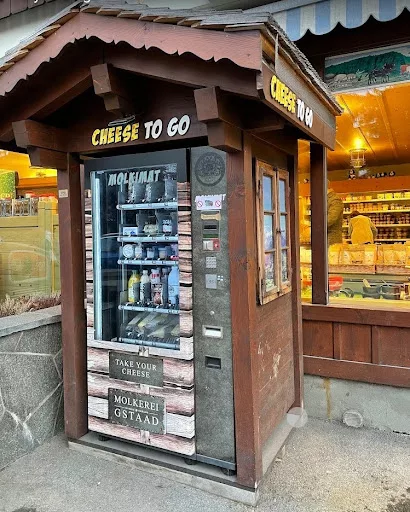
Each farmer’s production is marked by hand-chiselled wooden signs with their name. These signs are often inherited, passed down through generations. When a wheel reaches its optimum age, it is removed to be sold, making room for the next year’s harvest. The rotation feels less like commerce and more like a conversation between the past and the present, played out in aging cheese.
Gstaad Mountain Cheese is infused with Provençal herbs grown just thirty minutes away, brought in to flavour the cheese before aging. The older wheels become Hobelkäse, named after the traditional tool used to shave it into paper-thin slices. The shop in the centre of Gstaad also sells a complete dairy assortment: butter, cream, crème de la Gruyère, yoghurt, and much more, alongside handmade breads, preserves, honey, and a carefully selected range of wines.
They also offer fondue backpacks for around 20 Swiss francs. Each pack contains everything you need for a picnic: fondue pot, warmer, plates, napkins, forks, local cheese, crusty bread from local bakeries, and spices. It is the kind of detail that transforms a meal into an experience, and a shop into a gateway.
EARLY BECK: A CENTURY OF GSTAAD MORNINGS
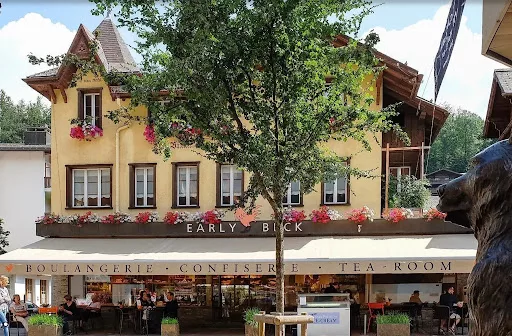
Early Beck has stood on the Promenade since 1910, and it remains the centre of gravity for anyone seeking proper breakfast in Gstaad. It is a bakery, a confectionery, a chocolate shop, and a café rolled into one, and it does each with equal care.
The shop is known for specialities that belong entirely to Gstaad: Saane Gibeni, Gstaad nut cake, and Pavés de Gstaad. But step inside and you’ll find croissants that shatter, Portuguese custard tarts that have an almost playful sweetness, and chocolate that is made with mountain milk and sustainably sourced cocoa.
The terrace facing the Promenade is where Gstaad happens. People arrive for coffee and pastry and end up sitting for an hour, watching locals and tourists negotiate the narrow pedestrian street. The service is attentive without hovering. The cappuccinos are made properly. And there is something about sitting outdoors in the alpine air, with a warm chocolate cake in front of you, that makes time feel irrelevant.
Early Beck also maintains eight branches across the region, but the original on the Promenade is the one worth seeking out. It is the kind of place that has become so woven into the fabric of the village that first-time visitors feel like regulars within minutes.
CHARLY’S TEA ROOM: THE MEETING PLACE THAT REFUSES TO CHANGE
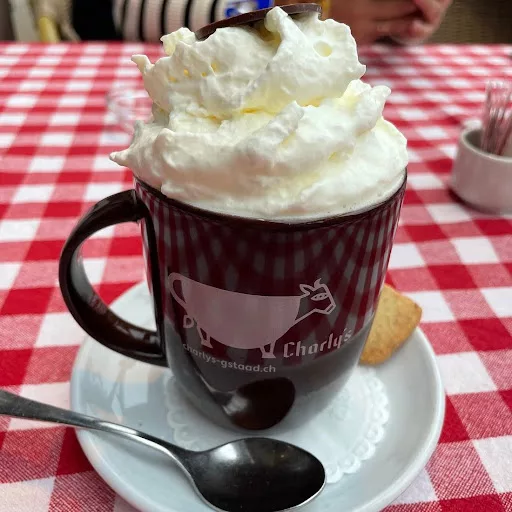
Charly’s dates back more than a century. Built in 1912, it has been a family-owned business ever since, and it remains authentically rustic in a way that newer establishments can only approximate. The interior uses reclaimed wood and plank flooring. The menu offers hot and cold drinks, specially made baked goods, confectionery products, and fresh snacks.
But Charly’s is not really about the menu. It is a meeting point. Locals and guests who value quality and comfort arrive, order, and sit. The terrace catches the sun year-round and occupies the pedestrian promenade, making it one of the few places in Gstaad where you can people-watch without feeling like a tourist.
After ice skating at the rink nearby (rent skates at the small building in the back), the ritual continues: hot chocolate at Charly’s, a pastry, a moment to catch your breath. It is the kind of simplicity that wealth and development often try to improve away, and it’s worth protecting precisely because it doesn’t try to be anything other than what it is.
CHÂTEAU-D’ŒX: THE MUSÉE DU PAYS-D’ENHAUT AND LE CHALET DAIRY

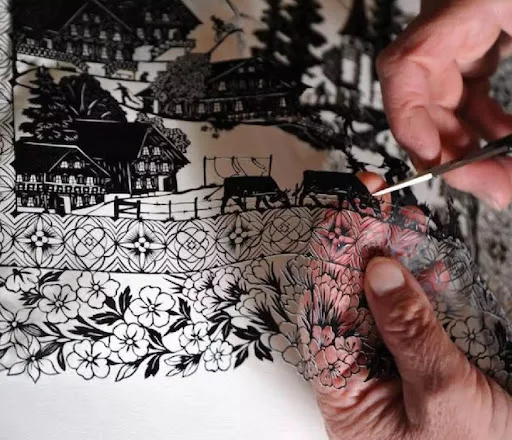
The Musée du Pays-d’Enhaut is now the Swiss national centre for paper cuttings, or découpage. The craft found its voice through two masters: Johann Jakob Hauswirth, a wandering labourer who cut delicate silhouettes as payment for meals, and Louis Saugy, whose work was so prized that the Spanish royal family once requested to meet him. The museum holds over 600 examples of découpage alongside reconstructed interiors from centuries of mountain life: a farmhouse kitchen with a bread oven dating to 1665, an alpine cheese dairy, a smithy, bourgeois dining rooms, cow bells, and early skis. It is free, five minutes from the train station, and one of the most undervisited places in the entire region.
Le Chalet dairy, also in Château-d’Œx, allows visitors to watch L’Etivaz AOP being made in copper cauldrons over an open wood fire. This is not a heritage display. It is a working dairy producing one of Switzerland’s most protected cheeses, made only in summer months on high alpine pastures. The process follows methods that have barely changed in two hundred years.
ROUGEMONT: VILLAGE MARKET AND CAFÉ DU CERF
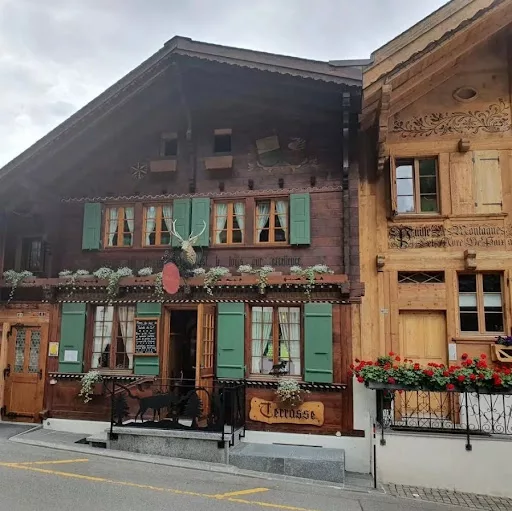
Rougemont’s main street dates back to the early 1600s, with carved facades, painted chalet fronts, and biblical inscriptions on the oldest houses. Each August the street closes to traffic for the Village Market, when over 100 artisan producers and craftspeople set up along it. Regional cheeses, handmade objects, local wine. The atmosphere is festive and genuine.
For eating, Café du Cerf is renowned across the region for fondues and raclettes made with Tomme de Rougemont and L’Etivaz AOP, served with Yvorne from the Chablais AOC. The interior is warm and traditional. People have been gathering here for generations and you feel it the moment you sit down.
ROSSINIÈRE: THE GRAND CHALET AND HÔTEL DE COMMUNE
Rossinière, home to Le Sapalet, has two other reasons to linger. The Grand Chalet, built in the 18th century and once the home of the painter Balthus, is one of the most remarkable examples of Swiss wooden architecture in the region. The Hôtel de Commune, named best restaurant by the Pays-d’Enhaut Produits Authentiques brand, serves regional flavours in a building where the community has gathered since the 1700s.
GSTAAD: LUXURY WITH A QUIETER VOICE
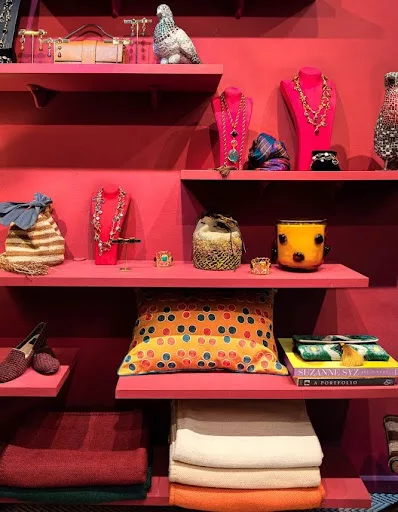
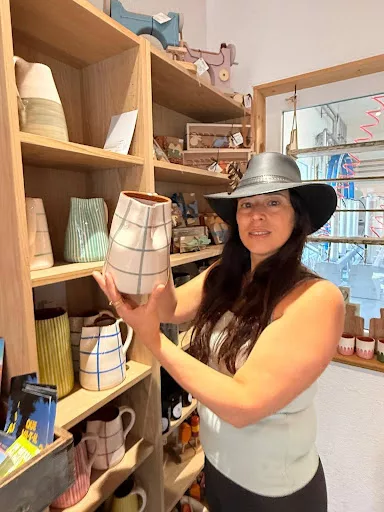
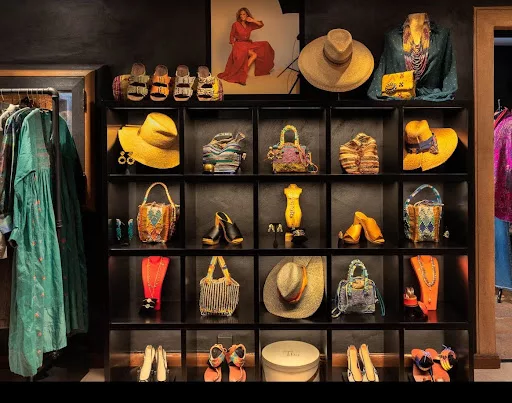
The Gstaad Promenade itself has more to offer than the designer names suggest. Marina Anouilh opened her first boutique here, curating collections of clothing and rare objects that she selects personally. ÉPHÉMÈRES by DH, in a nearby Saanen chalet dating to 1850, is a concept store of rotating handcrafted treasures. Gstaad Chocolate Shop makes truffles and pralines from mountain milk in an open atelier, with a café for a hot chocolate and brioche. Cervin Blanc offers bespoke jewellery design, working with clients to create pieces from scratch.
A FINAL NOTE FROM GSTAAD CHALETS
At Gstaad Chalets, we believe the beauty of this region lies in the details. The quiet traditions. The local flavours. The sense of belonging that the Alps create. We leave a selection of local cheeses for our guests on arrival, including from Le Sapalet, as a first introduction to what the region makes best.
We work with every guest individually to curate a stay that feels truly personal, from family escapes to elegant alpine retreats. If you are planning a visit to this extraordinary corner of Switzerland, we would be delighted to help.
Reach out to Moriya directly: Moriya@smilinghouse.ch